Context
XP redesigned and modernized an aging oil and gas production facility originally built in the 1960s, transforming a large-footprint, manually operated site into a more compact, automated, lower-emission, and cost-efficient production system.
The facility was originally equipped with legacy manifolds, vertical two-phase separators, transfer pumps, and storage tanks open to the atmosphere, where oil production was stored before being transferred to another site. The modernization program aimed to improve operating performance, reduce methane emissions and water consumption, lower operating costs, and raise safety standards while supporting practical field execution.
Challenges
The site faced several constraints that limited performance, increased costs, and created environmental and safety exposure:
- Obsolete infrastructure: aging equipment, including an outdated open tank system.
- High operating costs: inefficient energy consumption, elevated maintenance requirements, and significant manpower needs increased day-to-day operating complexity.
- Environmental exposure: methane emissions and water consumption linked to legacy operating practices.
- Limited automation: reduced operational visibility, limited remote control, and reliance on manual processes constrained performance monitoring and response time.
- Safety risks: a large facility footprint and manual interventions increased operational hazards for field teams.
XP’s approach
XP implemented a fast-track, tailor-made modernization program combining closed-loop production, automation, and selective reuse of existing equipment. The program was designed to reduce emissions, improve energy efficiency, simplify operations, and minimize disruption during field execution.
Closed-loop production system
- Eliminated the open oil tank system.
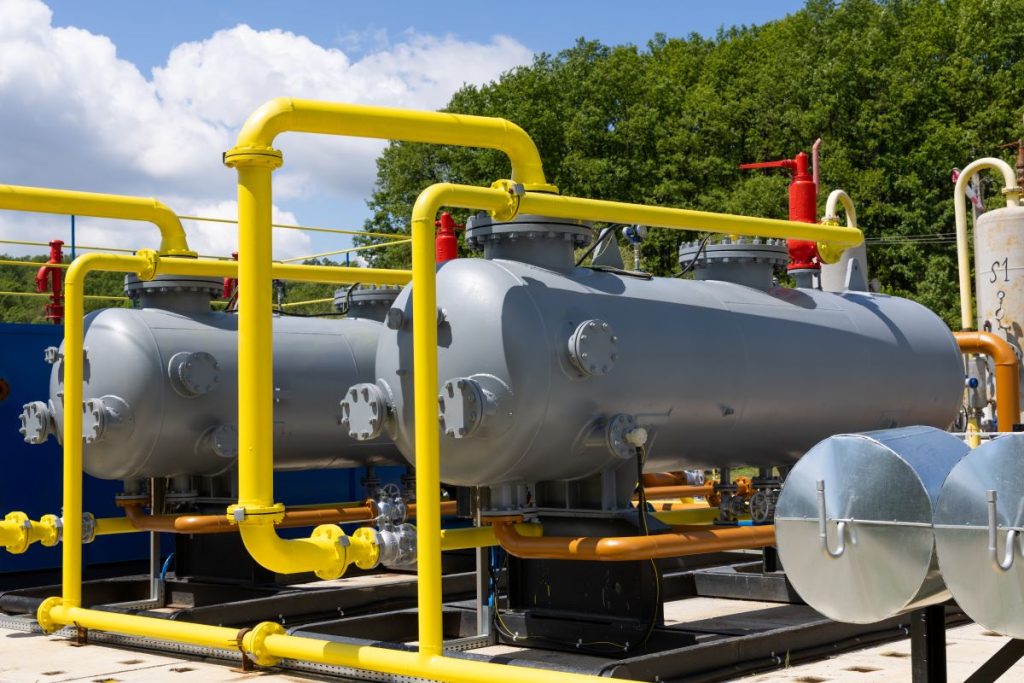
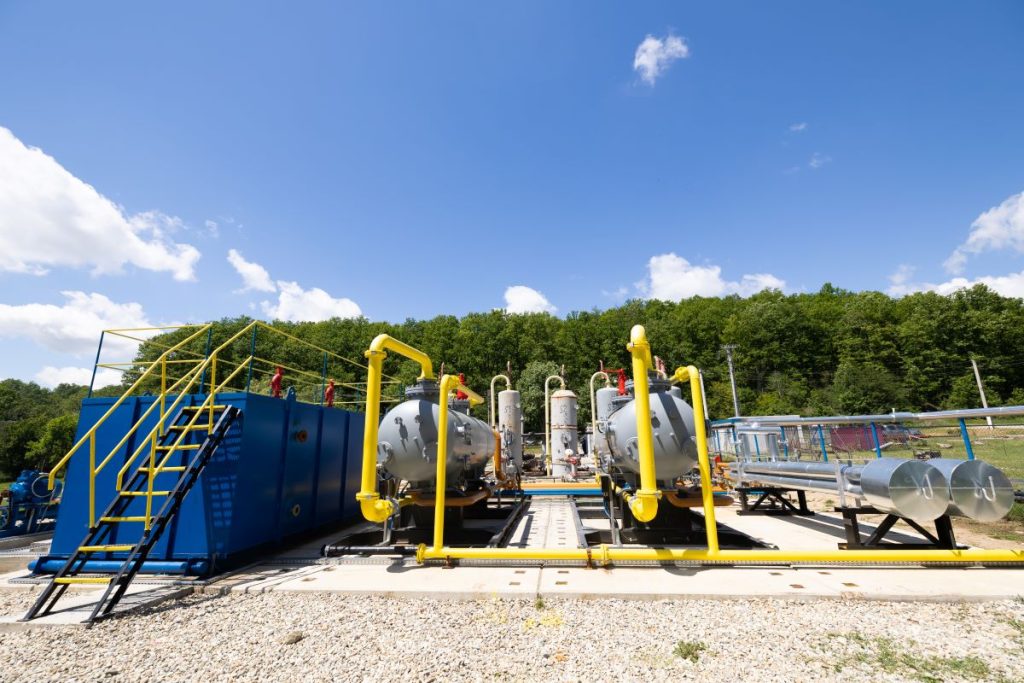
- Installed two modern horizontal two-phase separators, allowing associated gas to be captured and sold rather than vented or wasted.
- Replaced an old, oversized steam boiler with a smaller new boiler that collects and reuses condensed steam.
Automation and remote monitoring
- Installed sensors and remote monitoring for the facility’s operating parameters.
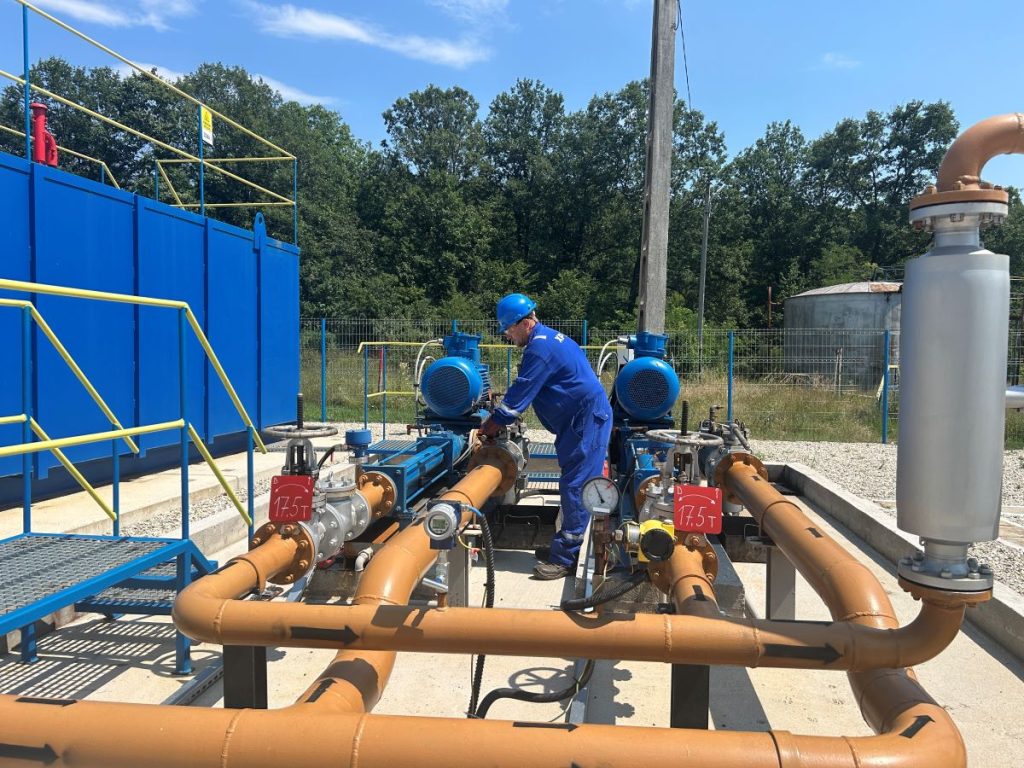
- Replaced obsolete manual pumps with remote-reading digital flow meters and automated transfer pumps.
Fit-for-purpose integration of new and existing equipment
- Used operator feedback to ensure the new system improved day-to-day usability and operational excellence
- Integrated modern equipment with still suitable existing equipment.
- Reduced the surface facilities footprint.
Results Achieved
The project delivered measurable improvements across four key areas:
Energy efficiency: 70% reduction in thermal energy consumption.
Cost performance: facility operating costs reduced by 30 %.
Environmental impact: 100% elimination of methane emissions and 95% reduction in freshwater consumption.
Safety and footprint: 40% reduction in facility footprint, reducing congestion and operational exposure for field teams.
Financial & ESG Impact
Structured investment roadmap
Monetizable emissions reductions
Alignment with long-term sustainability commitments
This project demonstrates XP’s ability to transform mature infrastructure into safer, lower-emission, and more cost-efficient operations through practical, field-driven modernization.